Blog
Are Cold Climate Heat Pumps Well Suited for Commercial Applications?
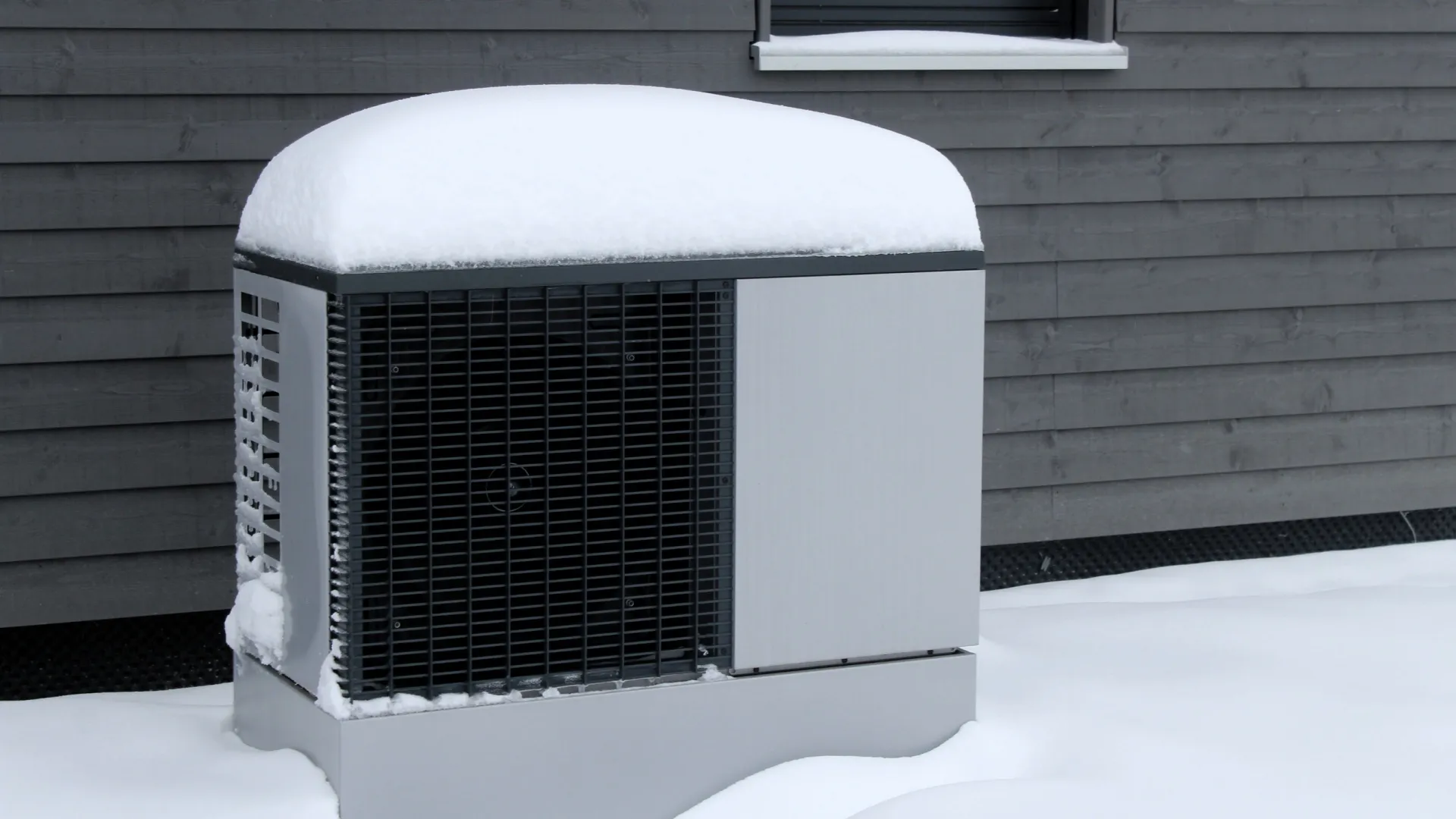
Cold climate heat pumps are gaining traction as an energy-efficient alternative to traditional heating systems. But are they viable for commercial buildings?
How Do Cold Climate Heat Pumps Work?
Unlike standard heat pumps, cold climate models are engineered to operate efficiently in sub-zero temperatures. Advanced compressor technology and refrigerant management allow these systems to extract heat from the air, even in extreme cold.
Benefits of Heat Pumps in Commercial HVAC
Cold climate heat pumps offer higher efficiency, lower operational costs, and reduced carbon emissions. Businesses looking to improve energy performance while adhering to sustainability goals can benefit significantly from their adoption.
Heat Pumps vs Traditional HVAC
Traditional heating systems rely on fossil fuels, whereas heat pumps utilize electricity, often from renewable sources. This makes them a more sustainable option for commercial applications.
High-Performance Heat Pumps for Business
Advancements in technology have made heat pumps a viable solution for large-scale applications. Many commercial buildings are now integrating these systems to reduce their carbon footprint and energy expenses.
MORE ARTICLES

How to Future-Proof Your HVAC and Hydronics Contracting Business
Custom Sheet Metal Fabrication – Lost Art or Essential HVAC Skill?
Air Conditioner vs Heat Pump…Pros and Cons For The Average Homeowner
Multiple Locations to Serve You Faster
Pick up the same day.
VAUGHAN
155 New Huntington Rd
Vaughan, Ontario
RICHMOND HILL
100 Granton Dr. #3
Richmond Hill, Ontario
CAMBRIDGE
320 Pinebush Rd, Unit 10
Cambridge, Ontario
BRADFORD
207 Stirling Cres.
Bradford, Ontario