Blog
Do Cold Climate Heat Pumps Make Sense for Southern Ontario?
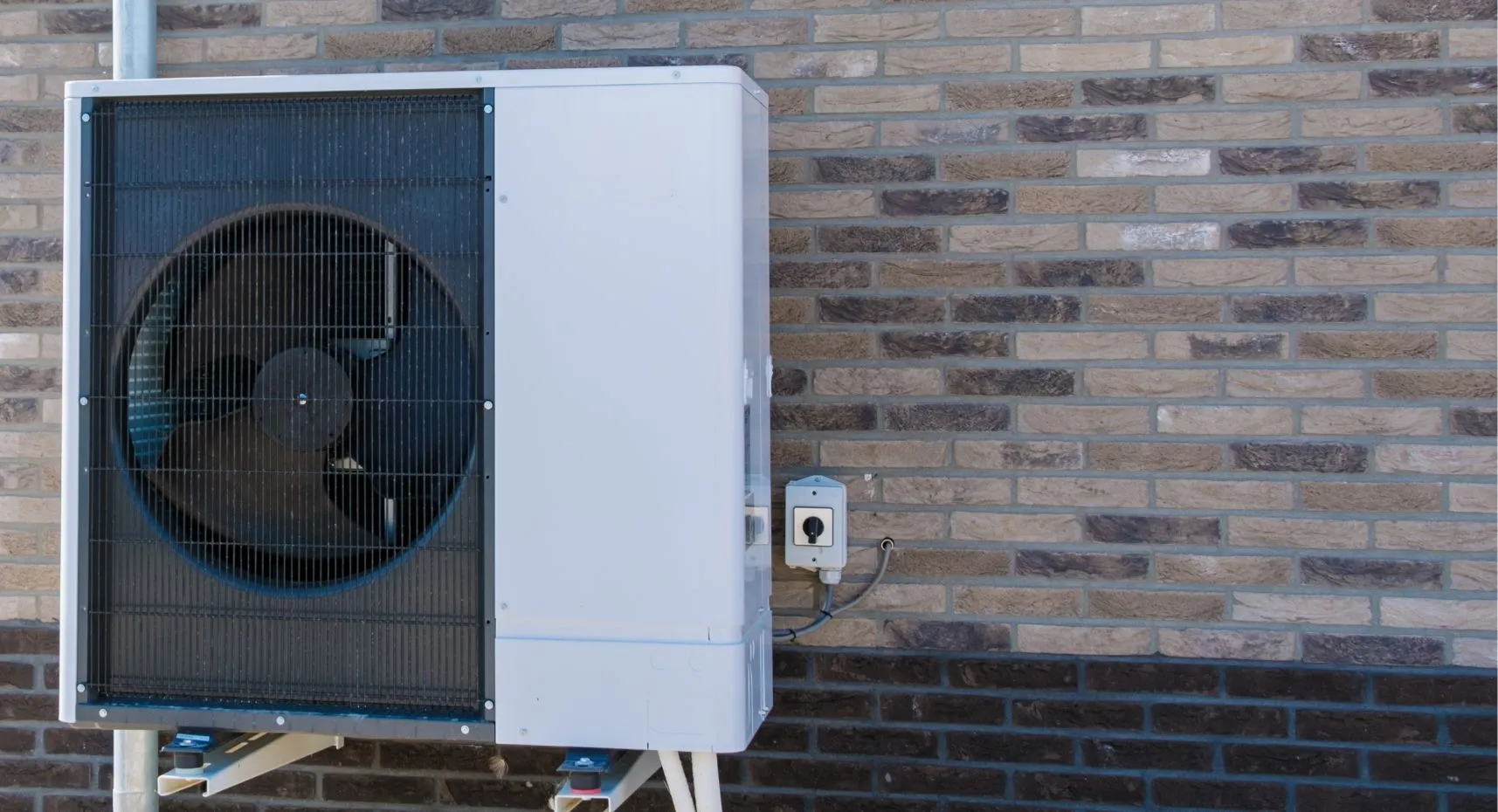
As Southern Ontario faces the dual challenges of harsh winters and rising energy costs, many homeowners are exploring alternative heating solutions. Among the most talked-about options are cold climate heat pumps (CCHPs). These advanced systems promise year-round heating and cooling by transferring heat from the air outside into your home. But, given the region’s cold winters, is a cold climate heat pump truly a practical choice?
What Are Cold Climate Heat Pumps?
Cold climate heat pumps are designed to function efficiently in temperatures as low as -25°C, unlike traditional air-source heat pumps, which lose effectiveness in very cold weather. These systems use electricity to move heat, rather than generating it through combustion, making them a cleaner, more energy-efficient alternative to gas furnaces. Even in freezing temperatures, CCHPs can continue to provide heating by utilizing advanced refrigerant technology and improved compressor systems.
Climate in Southern Ontario
Southern Ontario experiences a wide range of temperatures throughout the year. Winters can be harsh, with frequent snowfalls and temperatures often dipping below freezing, particularly in rural or northern parts of the region. However, the area rarely sees extreme cold for extended periods—cold spells are usually intermittent, with milder temperatures in between. This makes the region an ideal candidate for CCHPs, as these systems excel in moderately cold climates and can handle occasional dips below freezing without issue.
Performance in Southern Ontario
The performance of cold climate heat pumps in Southern Ontario largely depends on the specific conditions of the home and the heat pump system installed. When properly sized and installed, CCHPs can effectively heat homes during the winter months. They can operate efficiently at outdoor temperatures as low as -15°C to -25°C, which is within the typical range for Ontario’s coldest winter days. For most of the winter season, the heat pump will run efficiently, providing warmth at a lower cost than gas heating or electric resistance heating.
Energy Efficiency and Savings
One of the main advantages of cold climate heat pumps is their energy efficiency. Heat pumps transfer heat rather than generating it, which can result in significant cost savings over time. According to studies, a CCHP can reduce energy consumption for heating by up to 50% compared to traditional heating methods, such as natural gas or electric resistance heaters. In Southern Ontario, where electricity prices are often lower than natural gas prices, this could translate into substantial savings on utility bills.
Limitations and Considerations
While cold climate heat pumps can handle Ontario’s winters, they aren’t completely immune to extreme weather conditions. On particularly frigid days, CCHPs may require auxiliary heating to maintain comfortable indoor temperatures, although this varies depending on the system and the size of the home. Additionally, the upfront cost of purchasing and installing a cold climate heat pump can be higher than traditional heating systems. However, the long-term savings on energy bills and potential government incentives for energy-efficient home upgrades may offset this initial investment.
Conclusion
Cold climate heat pumps make a lot of sense for Southern Ontario’s climate. They offer an energy-efficient, eco-friendly solution to heating homes, especially given the region’s moderate winter temperatures. While they may require supplemental heating during extreme cold spells, they remain a reliable and cost-effective alternative to conventional heating systems. With proper installation, maintenance, and consideration of specific home needs, cold climate heat pumps can provide significant savings, reduce environmental impact, and enhance the comfort of your home for years to come.
MORE ARTICLES

Seasonal HVAC Maintenance Kits: What to Stock Up on Before Peak Season

Top HVAC Maintenance Mistakes and How to Avoid Them
The Future of HVAC Technology: What to Expect in the Next 5 Years
Multiple Locations to Serve You Faster
Pick up the same day.
VAUGHAN
155 New Huntington Rd
Vaughan, Ontario
RICHMOND HILL
100 Granton Dr. #3
Richmond Hill, Ontario
CAMBRIDGE
320 Pinebush Rd, Unit 10
Cambridge, Ontario
BRADFORD
207 Stirling Cres.
Bradford, Ontario