Blog
Top HVAC Maintenance Mistakes and How to Avoid Them
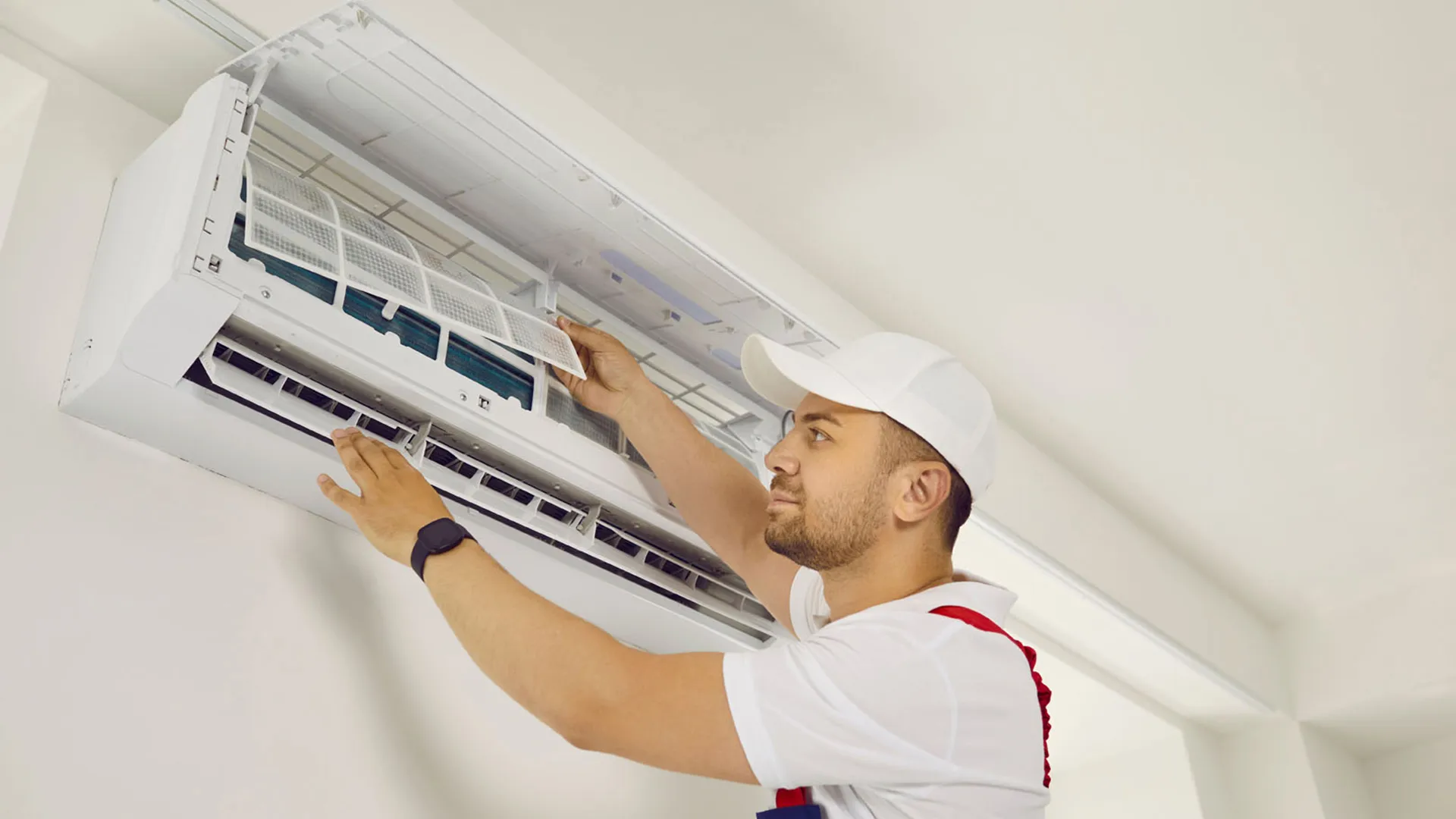
A little HVAC maintenance goes a long way—but only if you're doing it right. Here are the top mistakes Canadian homeowners make and how to steer clear of them.
1. Forgetting to Change the Air Filter
This simple step is often overlooked. A dirty filter restricts airflow, lowers efficiency, and can damage your system.
2. Skipping Seasonal Tune-Ups
An annual inspection in the spring or fall ensures your furnace or A/C is ready for extreme weather and prevents costly repairs.
3. Ignoring Strange Noises or Odours
Buzzing, banging, or musty smells can be signs of a serious issue. Don’t wait—address the problem before it escalates.
4. Blocking Vents and Registers
Furniture or rugs that cover air vents can throw off airflow and pressure, making your system work harder.
5. DIY Repairs Without the Right Know-How
It may be tempting to fix a minor issue yourself, but improper handling can void warranties or lead to expensive damage.
Routine, professional maintenance ensures your HVAC system runs efficiently and reliably all year long.
MORE ARTICLES
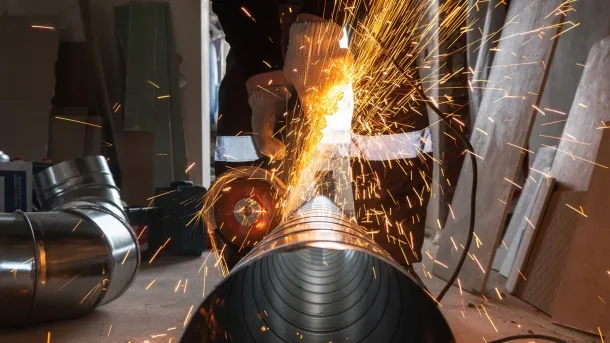
Why Choosing the Right Ductwork Matters for HVAC Performance
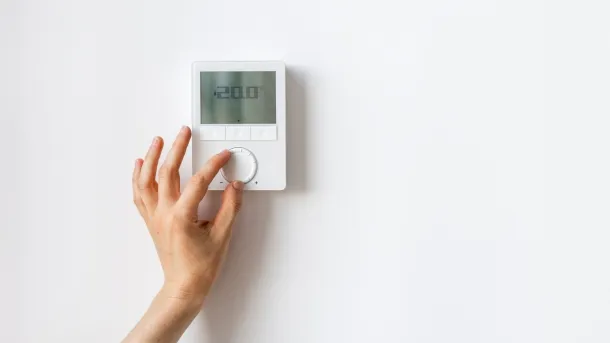
Air Conditioner vs Heat Pump…Pros and Cons For The Average Homeowner
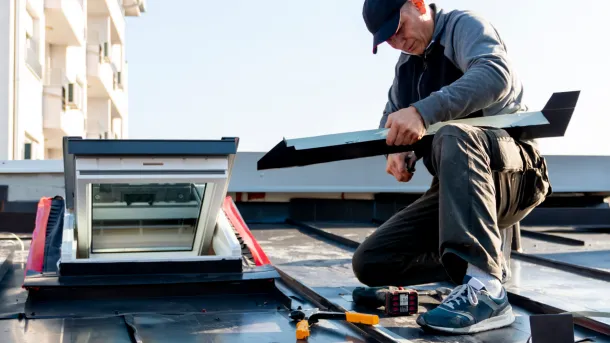
Comparing Sheet Metal Joint Sealing Options: Tape vs. Sealing Compounds
Multiple Locations to Serve You Faster
Pick up the same day.
VAUGHAN
155 New Huntington Rd
Vaughan, Ontario
RICHMOND HILL
100 Granton Dr. #3
Richmond Hill, Ontario
CAMBRIDGE
320 Pinebush Rd, Unit 10
Cambridge, Ontario
BRADFORD
207 Stirling Cres.
Bradford, Ontario