Blog
Why Choosing the Right Ductwork Matters for HVAC Performance
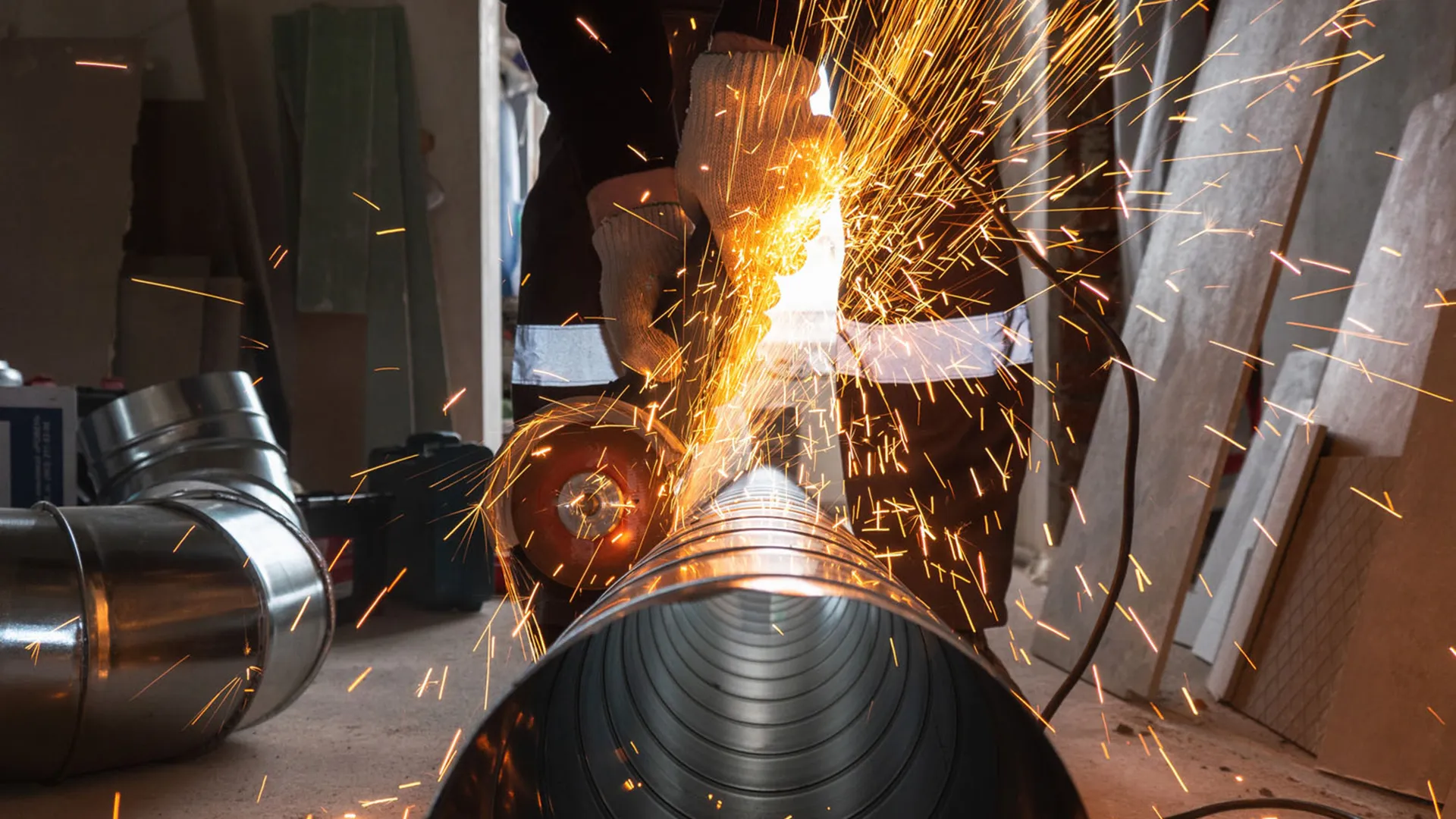
When it comes to heating and cooling, your HVAC system is only as efficient as your ductwork. Here's why investing in the right ducts is essential for performance, comfort, and cost savings.
1. Airflow Efficiency Depends on Proper Design
Poorly sized or leaky ductwork can lead to uneven temperatures, high energy bills, and an overworked HVAC unit.
2. Insulated Ducts Improve Energy Efficiency
Especially in colder climates like Canada, insulated ducts help retain heat and reduce strain on your system.
3. Material Matters
From galvanized steel to flexible ducting, the type of duct used can impact airflow, longevity, and noise levels.
4. Professional Installation is Key
Even the best duct materials won’t perform if improperly installed. Certified HVAC professionals ensure your duct system is sealed, balanced, and efficient.
5. Retrofitting Old Systems Pays Off
Updating old ductwork can dramatically improve HVAC efficiency and indoor air quality, especially in older homes and commercial buildings.
In short, choosing the right ductwork isn't just a technical detail—it's a major factor in the performance and lifespan of your HVAC system.
MORE ARTICLES

Air Distribution: What Type of Grille or Diffuser is Right for Your Application?
How the Addition of Hydronics to Your Existing HVAC Business Can Benefit Your Customers
Do Cold Climate Heat Pumps Make Sense for Southern Ontario?
Multiple Locations to Serve You Faster
Pick up the same day.
VAUGHAN
155 New Huntington Rd
Vaughan, Ontario
RICHMOND HILL
100 Granton Dr. #3
Richmond Hill, Ontario
CAMBRIDGE
320 Pinebush Rd, Unit 10
Cambridge, Ontario
BRADFORD
207 Stirling Cres.
Bradford, Ontario